

Making Disciples | Reaching the Lost
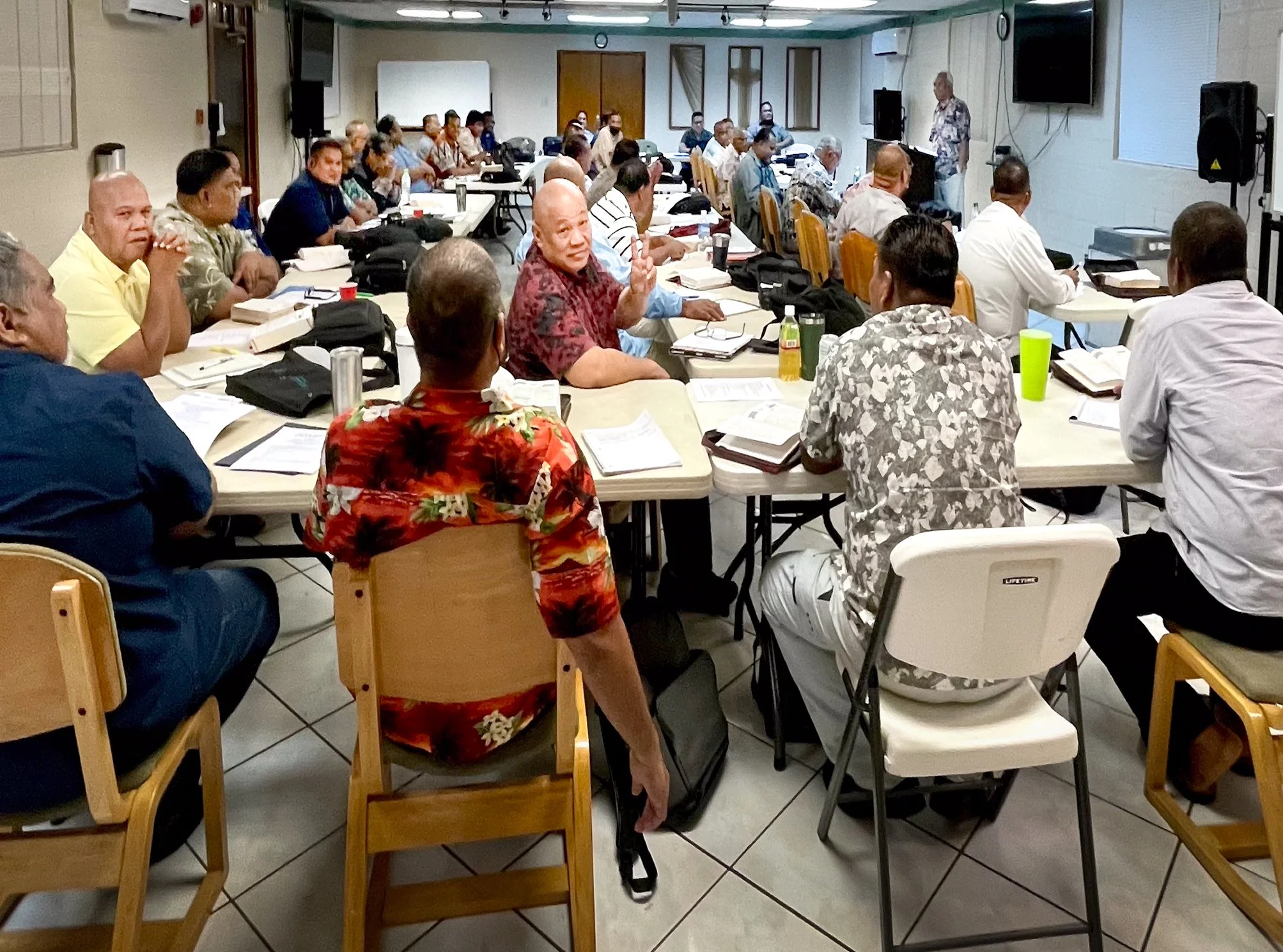
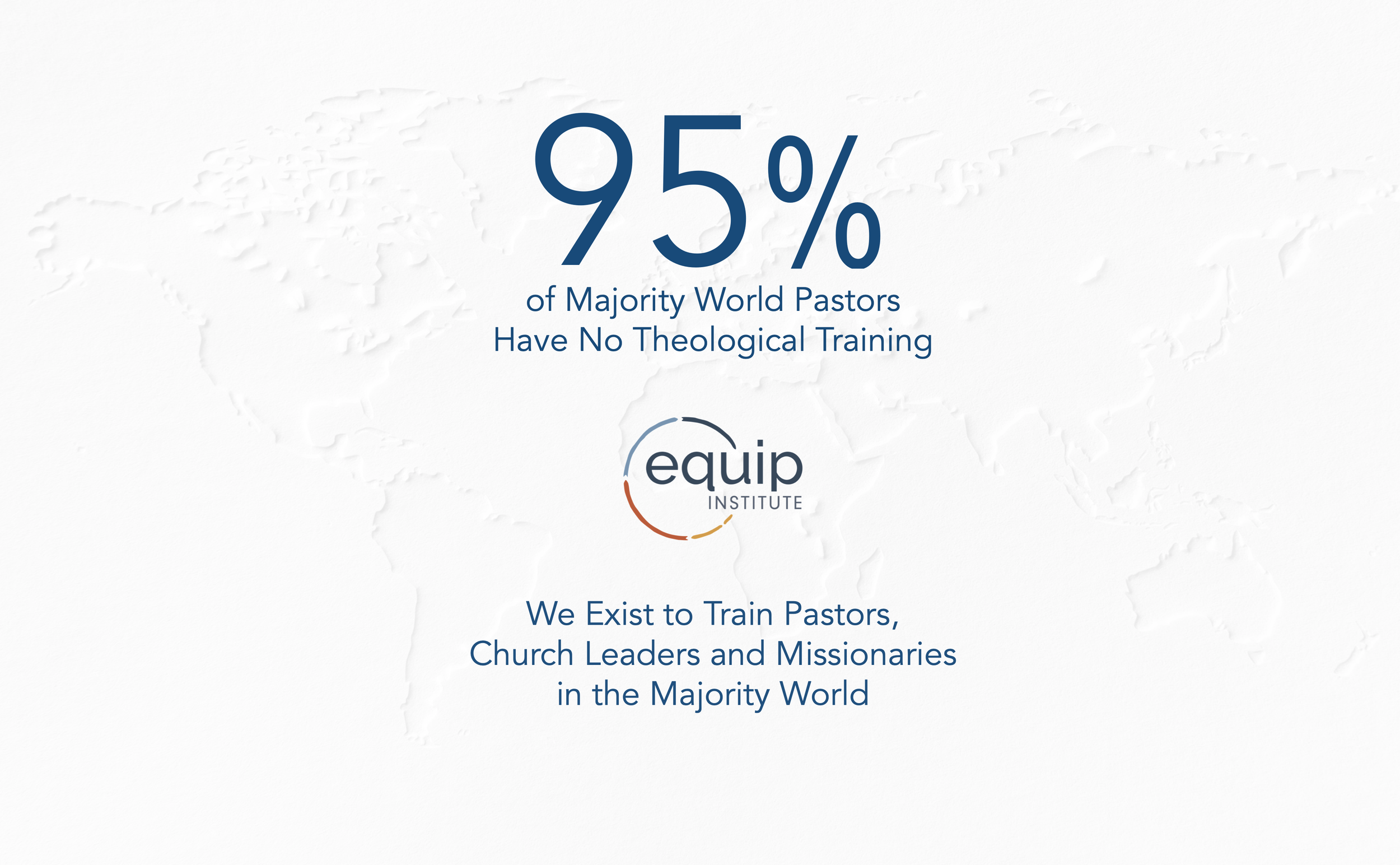
Why The Equip Institute?—When the renowned Edinburgh World Missionary Conference was convened in 1910, 83% of Christians lived in the Global North. Today, that number has shifted dramatically, with only 31% now residing in the Global North and 69% in the Global South. While this inversion in the center of gravity of world Christianity is multifactorial, it is largely the result of a century of mission activity rooted in the “going,” “proclaiming Jesus,” and “baptizing” aspects of the Great Commission. While lost people coming to Christ is always cause for genuine celebration, a sobering reality remains: Over 95% of pastors globally have no theological training or access to resources. This fact highlights an urgent need to prioritize two equally vital mandates of the Great Commission—the call to “make disciples” and “teach them to obey everything I have commanded you.”
Our Vision—Many missiologists, including myself (Will), view these often underprioritized aspects of the Great Commission to be among the most pressing mission needs of our time. In response, Joanna and I founded the Equip Institute in January 2024 with the vision to see global pastors, church leaders, and mission workers thoroughly equipped through a journey of discipleship anchored in God’s Word.
The Work—The Equip Institute fulfills its vision by leveraging existing networks to establish strategic training sites in partnership with trusted global leaders, some of which are among the “least reached” people groups in “closed countries.” Together, we ensure that training is Biblically sound and relevant to each unique cultural context. Notably, discipleship takes place on three levels: Content (Biblical/theological), Character (spiritual formation/ accountability), and Craft (vocational training). A dedicated mentor oversees each area, collectively providing holistic discipleship. As an official partner institution of Kairos University, we offer ATS-accredited seminary degree programs through this holistic discipleship training model at minimal cost if such training is deemed appropriate.